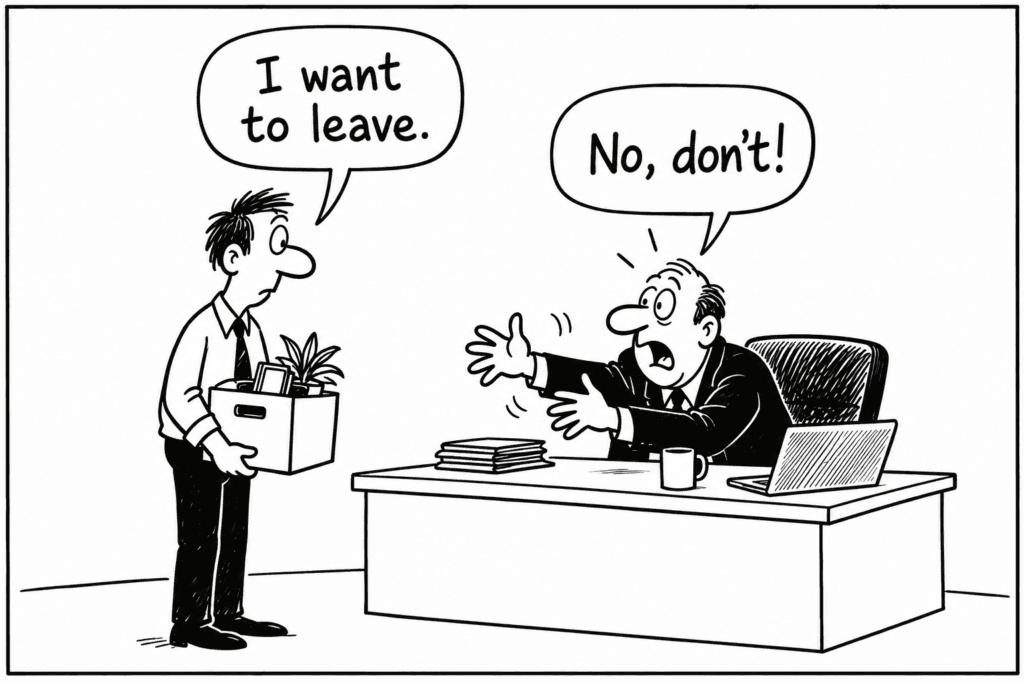
Retention is a key part of any department in any business. For capital raising and investor relations, it’s no different, though the reasons someone chooses to leave can be more nuanced than in other functions.
The Impact
When a fundraiser leaves, the cost goes well beyond backfilling a headcount:
- Lost relationships. LP relationships built over years often leave with the person, or need to be rebuilt from scratch.
- Fund closes pushed back. Momentum on a raise stalls while the gap gets covered or a replacement gets up to speed.
- Projects delayed. Whatever that person was driving slips down the priority list.
- Lower morale. A departure, especially of someone senior or well liked, can unsettle the wider team.
- A contagion effect. Seeing salespeople leave can radiate anxiety or negative feeling through the department, and sometimes triggers further departures.
- Extra load on the rest of the team. Other team members have to pick up the slack until a replacement is found.
- The cost of replacing someone. There’s a clear, measurable cost to rehiring. It’s cheaper and easier to keep someone in seat than to replace them.
Length of tenure
Average time in role before leaving for a new company, based on the c4,500 US-based Real Estate Capital Formation and Investor Relations professionals we track:
| Role | Moves counted | Average tenure | Median tenure |
|---|---|---|---|
| Analyst | 1,220 | 19 months (1.6 yrs) | 15 months |
| Associate | 1,286 | 23 months (1.9 yrs) | 20 months |
| Senior Associate | 180 | 26 months (2.1 yrs) | 22-23 months |
| VP / Manager | 2,876 | 41 months (3.4 yrs) | 29 months |
| SVP | 422 | 49 months (4.1 yrs) | 36 months |
| MD | 508 | 56 months (4.6 yrs) | 36 months |
| Head of | 374 | 42 months (3.5 yrs) | 33 months |
| Partner | 181 | 52 months (4.3 yrs) | 40 months |
Why junior fundraisers leave
At the Analyst, Associate, and Senior Associate level, the reasons tend to be:
- Territory not expanding, or being cut, despite hitting numbers.
- Culture. Feeling under appreciated, or uncomfortable with high turnover around them.
- Change in personal circumstance. Planning to have kids, wanting less travel, or looking to relocate.
- The thing their success depended on never materialised. Hired on the promise of quality inbound leads, but half the investors didn’t know who they were. Or joined on a plan to raise $200m a year, and three years in it’s a fraction of that.
- Product. Either hard to sell, or they want more choice to offer LPs.
- Blocked progression, with someone hired above them for a role they were expecting to move into.
Why senior fundraisers leave
Senior people often carry a similar list, but the underlying question shifts to one thing: can they make significant money and be successful in this role. That tends to break down into:
- Product fit. Is there genuine demand in the marketplace for what they’re raising?
- Diversification. Is the product niche, or diversified enough to sustain a long term pipeline?
- Track record. Does the platform have one, and does it hold up under scrutiny with LPs?
- Performance. Is the fund or strategy actually performing?
- Compensation. Are they being paid appropriately for what they’re bringing in?
- Equity or carry. Is there a long term incentive on the table, or is comp purely transactional?